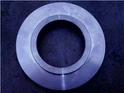
The solution to the problem that the surface of flange forgings is prone to shrinkage and looseness when installed
The use of flange forgings and various inspection work meet the accuracy needs of inspection, so as to provide users with accurate measurement results. In the process of user's use, it is necessary to maintain frequently, maintain regularly, check and inspect the flat flange regularly, and solve the problems in time, so as to make the equipment operate normally. The phenomenon of surface shrinkage and looseness often occurs in the use of flange forgings. How to solve this problem? Let's introduce it to you below.
1. The important flange forgings can be treated by hot isostatic pressing to eliminate the porosity in the castings;
2. Welding repair: excavate the metal in the defective area, repair the defective area with welding rods that are the same or compatible with the raw materials of the base flange forgings, and flatten after welding for post weld heat treatment;
3. For flange forgings bearing liquid or gas pressure, local or overall infiltration treatment can be carried out to improve the sealing performance of flange forgings.
The above methods can be used when encountering problems. After learning these, you can also normally use the flange forgings produced by Shanxi Haokun flange Group Co., Ltd. The inspection method of flange forgings is a comprehensive inspection method. Comprehensive inspection refers to the inspection of the comprehensive results of the geometric parameter deviation that affects the interchangeability of threaded flange forgings with a gauge. It includes: using ordinary thread gauge and stop gauge to inspect the acting pitch diameter (including bottom diameter) and single pitch diameter of the measured thread respectively; Use a smooth gauge to check the actual top diameter of the thread of the measured threaded flange.