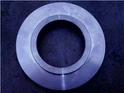
How to accept flanges in general
Reference standards for flange acceptance
ASME B 16.5; ASME B16.47; HG/T20592-2009; HG/T20615-2009; GB/T9124-2010; NB/T47008~47010-2017
Inspection of flange
1. Material inspection of flange
The product shall have the material certificate of the material manufacturer. When domestic materials are used to replace the foreign materials required in the contract, the chemical composition and mechanical performance indicators of the materials shall meet the provisions of the corresponding foreign material standards, and the raw materials shall be rechecked before production and blanking.
2. Dimension inspection of flange
The dimension inspection of flange shall be carried out according to relevant standards. If there are special requirements in the contract, they shall be carried out according to the contract requirements.
3. Surface quality inspection of flange
The flange surface shall be free of visible cracks, overburns and other appearance defects (such as scars, ash spots, etc.) that impair the strength. The internal and external surfaces shall be smooth and free of rust pitting, scale and mechanical damage, whether the acute angle is blunt, and whether the burr of the bolt hole is sleeved off.
The antirust paint on the surface of carbon steel and alloy steel flange shall be smooth and flat without falling off.
4. Marking inspection of flange
The finished flange must be painted or printed with resistance marks at prominent positions, and the contents and methods of the marks shall conform to the provisions of the contract or standards.
5. Packing inspection of flange
For the products packed on pallets, the products outside the pallets shall be firmly fixed and wrapped with waterproof wrapping film. The flanges inside the pallets shall be separated with foamed plastic or cardboard without gaps to ensure that the products will not be damaged due to collision during long-distance transportation