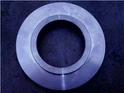
What is forging? How to check the forgings?
Forgings are a processing process. Forgings are objects where metal is applied pressure to shape the required shape or suitable compression force through plastic deformation. This force is typically achieved by using a hammer or pressure. The forging process built delicate granular structures and improved the physical properties of the metal. In the practical use of the components, a correct design allows the particles to flow in the direction of the main pressure. Forgings need to be consistent per piece without any porous, inclusions or other flaws. This method produces components that have a high ratio of strength to weight ratio. The appearance and quality inspection of the forgings is to check whether the shape and geometric size of the forging meet the provisions of the drawing, whether the surface of the forging is defective, what is the nature of the defects, and what are their morphological characteristics. The inspection content of the surface state is generally to check whether the forging surface has surface cracks, folding, wrinkle, pressing pit, orange peel, foaming, spot scar, corrosion pit, bumps, foreign objects, not filled, pits, lack of meat, scratches and other defects. The internal quality inspection is to check the internal quality of the forging itself, is the quality condition that can not be found in the appearance quality inspection, it includes both the internal defects of the forging, but also includes the inspection of the mechanical properties of the forging, and the important parts, key parts or large forgings should also be chemical composition analysis. For internal defects, we will test the method of low inspection, fracture inspection, high inspection, such as internal cracks, shrinkage, loose, coarse crystal, white dots, branch crystal, streamline shape, streamline disorder, penetration, coarse crystal ring, oxide film, layered, overheating, overburning tissue and other defects. For the mechanical properties is mainly to check the normal temperature tensile strength, plasticity, toughness, hardness, fatigue strength, high temperature instantaneous fracture strength, high temperature persistent strength, persistent plasticity and high temperature creep strength.