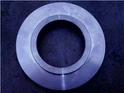
The flanges produced by Shanxi Haokun flanges Group Co., Ltd. are also divided into three categories: carbon steel flange, stainless steel flange and alloy steel flange. So what is the difference between stainless steel flange and the other two? What are the main differences between the materials of various stainless steel flanges?
First of all, we all know that the raw materials of stainless steel flanges are alloys composed of iron, chromium, carbon and other elements. Iron is the main element and chromium is the main alloy element. Chromium content affects the rust prevention ability of finished products in the future. Therefore, chromium must reach at least 11% to be considered as stainless steel. We will consider this index when we inspect and analyze the chemical elements of the raw materials of stainless steel flanges. The quality assurance certificate issued by Baotou Steel, Laiwu Steel and other raw material sites also has the composition of element content. When you purchase stainless steel flanges, the salesman will provide these to you. You can also visit these specific processes in the factory. However, stainless steel flanges can be divided into several specific categories, so how to distinguish them? What is the basis for the difference? It is mainly divided according to its metallographic structure, which is specifically divided into austenite, ferrite, martensite and duplex stainless steel flange. The most commonly used is 304304L stainless steel flange. This kind of raw material is actually Austenitic, in which the proportion of chromium and nickel is 18:8, and the antirust ability is the highest. The raw material of 410 stainless steel flange is martensite, which is cheap, but the anti rust ability is weaker than that of austenite. The raw material of 430 stainless steel flange is ferritic with low price, which is generally not used in engineering. Duplex stainless steel 2205 flange has the best chemical properties and the highest anti rust ability. In addition, AISI number 600 series stainless steel. However, this type is generally not used to produce stainless steel flanges. So we won't make a specific introduction.